A small garden can feel awkward before it feels useful. One narrow lawn, a tired fence line and a patio that never quite fits the table often leave homeowners thinking they simply do not have enough room. In reality, the best small garden landscaping ideas are usually about layout, levels and boundaries rather than squeezing in more features.
In Lancashire, that matters even more. Gardens often need to cope with wet weather, overlooked boundaries and family use all year round. A well-planned small garden should not just look neater on day one. It should be easier to maintain, give you better privacy and make the space feel bigger than it is.
Small garden landscaping ideas that make space feel bigger
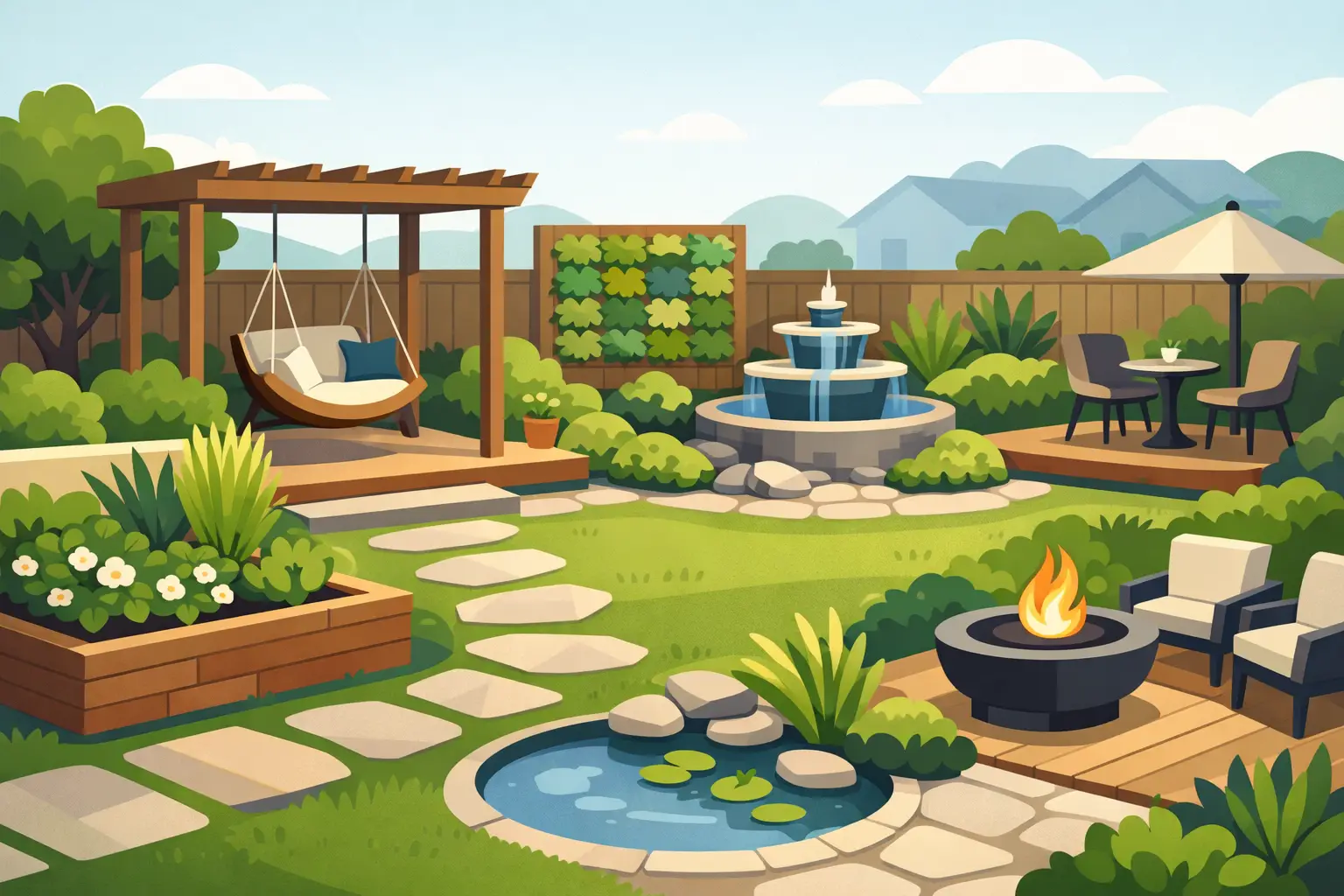
The biggest mistake in a compact garden is treating every edge the same. When everything runs in one flat line, the whole plot can appear shorter and narrower. Breaking the space into clear zones often works better. That might mean a dining area near the house, a path that draws the eye outward and a planted section at the rear to soften the boundary.
Straight lines can be useful in a small space because they keep the garden readable. A neat run of paving or decking gives the eye a clear route through the plot. Curves can still work, but only if they are deliberate. Too many bends in a small area can make it feel busy and harder to use.
Levels are another practical tool. A slightly raised deck, a low retaining edge or a defined planting bed can add structure without taking up much room. This is especially useful where the garden already slopes or has uneven ground. Rather than fighting the levels, build them into the design.
Start with fencing and boundaries
In many smaller gardens, the fence has the biggest visual impact. If the boundary is leaning, mismatched or heavily weathered, the whole garden looks tired regardless of the planting. Replacing old panels or upgrading to a more consistent finish can sharpen the space immediately.
Privacy matters too. In terraced and semi-detached areas across Blackburn, Preston and Burnley, gardens are often closely overlooked. Taller fencing or well-positioned trellis can make a small garden more comfortable to sit in, especially near patios and seating areas. The trade-off is light. Solid, high fencing can darken a narrow garden, so it often makes sense to balance privacy with slatted sections, decorative tops or lighter timber finishes.
Boundary design also affects how wide the garden feels. Horizontal detailing can visually stretch a narrow plot, while vertical elements can help in lower, boxed-in spaces. The right option depends on the proportions of the garden and how much screening you need from neighbours.
Use decking where paving feels heavy
Decking is one of the most practical small garden landscaping ideas when you want to create a usable sitting area without overloading the plot. In a compact garden, a deck can define the main living space clearly and give you a level surface for furniture, planters or steps.
It works particularly well where the ground is uneven or where a full paving scheme would need more excavation. A raised deck can help bridge awkward levels and make the garden feel more intentional. It can also be finished with built-in seating or edge planters, which saves room compared with separate furniture.
That said, decking is not always the right answer for every garden. Heavily shaded areas may stay damp for longer, and very small plots can feel cramped if the deck is oversized. The proportions matter. The seating area should fit your actual use, not an idealised version of it.
Keep planting simple and structured
Planting helps soften hard landscaping, but in a small garden it needs discipline. Too many plant varieties, scattered pots and oversized shrubs can make the space feel cluttered. A simpler planting plan usually gives a better result.
Raised beds along the perimeter are often more effective than isolated beds in the middle of the lawn. They keep the centre open, make maintenance easier and create a clear shape around the garden. Evergreen structure is useful because it keeps the garden looking tidy through winter, while a limited mix of flowering plants can bring colour without becoming hard to manage.
If you want low-maintenance planting, choose species that suit the amount of sun and shelter the garden actually gets. There is no benefit in forcing sun-loving plants into a damp, shaded corner and then replacing them every year. In many Lancashire gardens, reliable planting with good drainage and sensible spacing will outperform more ambitious schemes.
Swap part of the lawn for purpose
A small lawn is not always the best use of space. If the grass turns muddy, sits in shade or only needs cutting rather than enjoying, it may be worth reducing it. That does not mean removing every bit of green. It means giving more of the garden a clear function.
A compact patio, decked area or widened path can often improve day-to-day use more than a narrow strip of lawn ever will. For family gardens, keeping a modest play or sitting area is usually enough. For landlords and property managers, reducing difficult lawn areas can also lower maintenance demands between tenancies.
The key is balance. Hard landscaping that covers everything can feel harsh, while too much grass in a small, awkward shape often looks unfinished. The best result usually sits somewhere between the two.
Build storage into the design
Small gardens struggle when every practical item is left on show. Bins, bikes, tools and children’s toys can quickly dominate the space. Good landscaping should account for storage from the start rather than treating it as an afterthought.
A screened corner, fitted bench storage or a purposeful side return can keep the main garden looking tidy. Even a simple fenced enclosure for bins can make a noticeable difference to the overall finish. This is one of those improvements that rarely appears first on a wish list, but it often has a strong impact on how usable the garden feels.
Make the entrance and edges work harder
Not every garden project needs to focus on the back boundary. In smaller plots, the route from the house into the garden matters just as much. If the first few steps feel cramped, uneven or cluttered, the rest of the garden can seem less inviting.
Widening a path slightly, replacing broken paving or introducing a neat threshold between house and garden can improve the whole layout. Side passages can also become useful working zones for storage, gates or screened utility space rather than dead areas.
For homes with compact rear gardens, secure side gates are especially valuable. They improve access, strengthen boundary security and help separate practical movement from the main seating area.
Choose materials that suit the property
Small gardens benefit from consistency. If every surface changes material, colour and texture, the space can feel disjointed. A tighter palette tends to work better, especially in modern estates and traditional Lancashire terraces where the outdoor area is close to the house.
Timber fencing and decking often pair well because they create a coordinated finish. Paving can then be used more selectively around thresholds or high-wear areas. Natural tones usually age better than very bold finishes, and they are easier to keep looking smart over time.
This is also where workmanship matters. In a small garden, uneven lines and poor joins are more obvious because there is nowhere for them to hide. Clean installation and careful setting out often make more difference than expensive materials.
Small garden landscaping ideas for low maintenance
If you want the garden to stay tidy without constant work, design decisions need to support that. That means limiting fussy edges, avoiding planting that quickly outgrows the space and choosing surfaces that can cope with Lancashire weather.
Raised beds, sensible drainage and durable fencing all help reduce recurring jobs. So does thinking ahead about repairs. A garden that relies on flimsy screening, poorly fixed boards or awkward access can become more costly to maintain than a slightly simpler design built properly in the first place.
For many homeowners, the best low-maintenance approach is a strong boundary, one reliable seating area, controlled planting and enough hard surface to handle foot traffic through wet months. It may sound basic, but it works.
When to get help with the layout
Some small gardens only need a few targeted improvements. Others have deeper issues such as poor drainage, damaged fencing, tired decking or uneven ground that affects the whole layout. If several elements need attention at once, it often makes sense to plan them together rather than fixing one feature at a time.
That is where a specialist installer can save time and prevent wasted spend. Fencing, gates, decking and general landscaping all affect each other in a compact plot. Getting the levels, access and boundary lines right from the start leads to a better finish and fewer compromises later. For homeowners across Lancashire, Hulme Fencing Lancashire often sees the same pattern - a small garden starts working properly once the structure is sorted first.
A small garden does not need grand features to feel finished. It needs clear boundaries, sensible materials and a layout that suits how you actually use the space. Get those right, and even the most compact plot can become somewhere that feels private, practical and worth stepping into.