
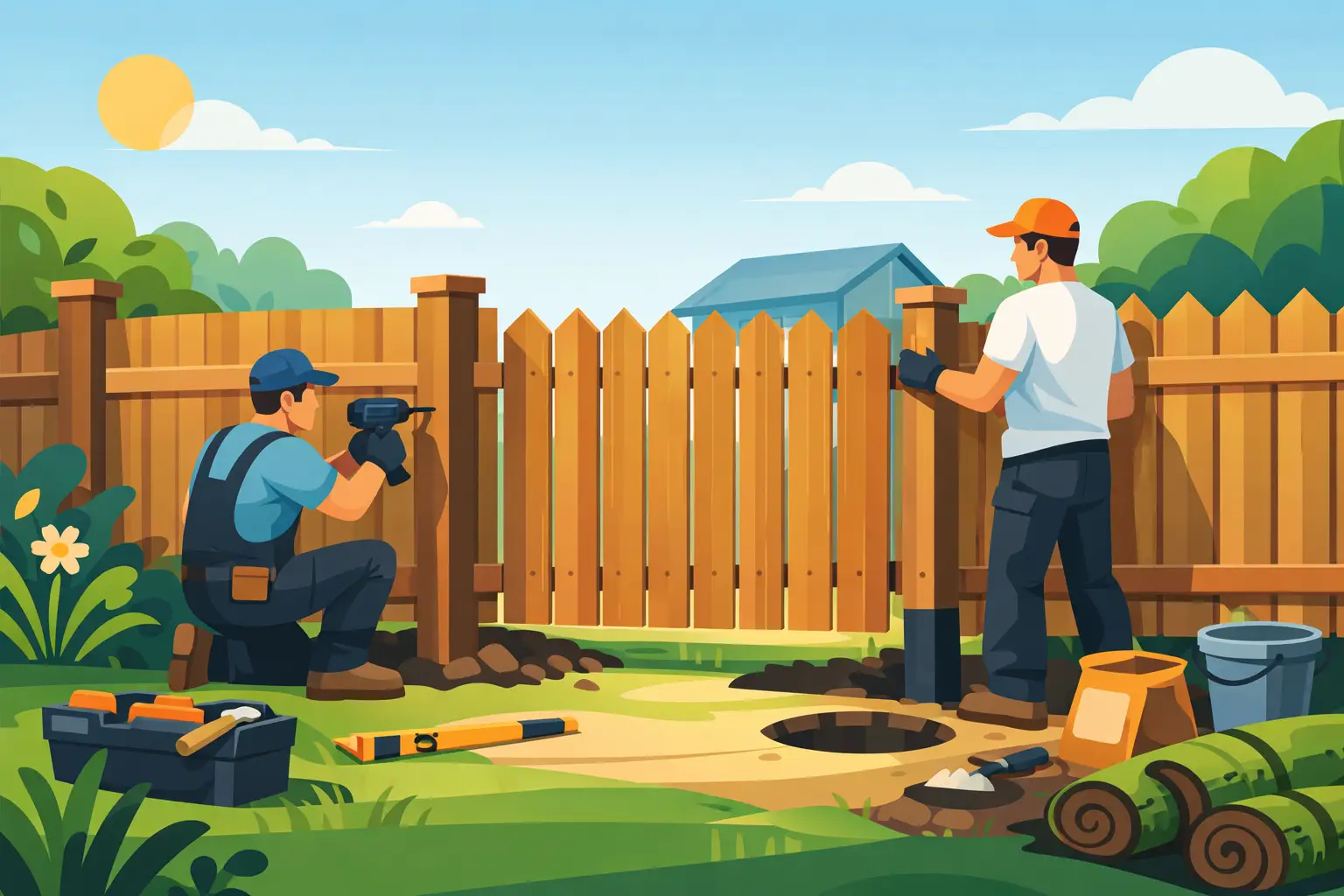
A fence usually becomes urgent the moment the old one starts leaning, panels go missing after bad weather, or the boundary no longer gives you the privacy you need. That is why new garden fence installation is rarely just about looks. For most homeowners in Lancashire, it is about security, clear boundaries, wind resistance and getting a tidy finish that lasts.
What a new garden fence installation should achieve
A good fence needs to do more than mark the edge of a garden. It should suit the property, stand up to local weather and feel solid from the day it goes in. If it looks smart but starts moving after the first winter, it has not been fitted properly.
For some households, privacy is the priority. For others, it is keeping pets secure, replacing storm-damaged sections or improving the overall appearance of the garden. Landlords and property managers often need a practical, durable solution that is easy to maintain and presentable for tenants. The right installation starts with being clear about the job the fence needs to do.
Choosing the right fence for the garden
Not every fence works well in every setting. A sheltered rear garden in a suburban cul-de-sac has different demands from an exposed boundary on higher ground. That matters when choosing panel style, post type and overall height.
Closeboard fencing is a popular choice for strength and privacy. It suits many homes because it gives a solid boundary and generally copes well with rough weather when installed correctly. Lap panel fencing can be a cost-effective option for straightforward garden boundaries, while decorative styles may work better where appearance matters as much as screening.
There is always a balance to strike between budget, lifespan and finish. Timber fencing remains a strong choice for many properties because it looks natural and can suit both modern and traditional gardens. Concrete posts and gravel boards often appeal to customers who want extra durability at ground level and less risk of rot. Timber posts can look softer and more traditional, but they may need more attention over time depending on exposure and soil conditions.
Why proper installation matters more than many expect
A fence can only be as good as the way it is set out and fixed. Even decent materials will underperform if the post spacing is inconsistent, the footings are shallow or the line of the boundary has not been measured properly.
Ground conditions make a big difference. Some gardens have level, accessible ground where installation is relatively straightforward. Others involve slopes, old concrete, tree roots, tight side access or neighbouring structures that complicate the work. These details affect the time required and the method used.
This is where a professional approach pays off. Good installation is not just about putting panels between posts. It includes checking levels, setting posts securely, allowing for drainage and making sure the finished run looks straight and clean from end to end. On a sloping site, it also means deciding whether the fence should step or follow the contour of the ground. There is no single right answer - it depends on the layout and the look you want.
New garden fence installation and planning the boundary
Before work starts, it helps to be clear about the legal and practical side of the boundary. If an old fence is being replaced in the same position, the process is often simple. If the boundary line is uncertain, or if neighbouring gardens have encroached over time, it is worth settling that first.
Height is another point to consider. Many homeowners want maximum privacy, but taller fencing is not always the best answer in every location. It can reduce light, feel heavy in a smaller garden and in some cases raise planning concerns. A lower front boundary or a more open style may suit the property better, while the rear garden may benefit from a taller and more private run.
Access should also be thought through early. If materials need to come through a narrow alley, over decking, or around existing landscaping, that can influence labour time and how the job is organised. The best results usually come when the full site is assessed properly rather than priced on panel count alone.
What affects the cost of a new fence
Most people want a clear answer on price, but fencing costs vary for good reason. The size of the run is only one part of it. Materials, ground conditions, access, waste removal and the amount of preparation all play a role.
A straightforward replacement on level ground is generally quicker and more cost-effective than a full new boundary through overgrown or uneven areas. Concrete posts and gravel boards may cost more upfront than all-timber options, but they can offer better long-term value in the right setting. Decorative finishes, bespoke gates and awkward layouts also influence the final figure.
Removing the old fence is another factor sometimes overlooked. If broken posts are concreted heavily into the ground or the site needs clearing before work can begin, that adds time and disposal costs. A proper quotation should reflect the actual job, not just a rough estimate based on metres alone.
Getting the finish right
The visual side matters just as much as the structure. A new fence can transform a garden when it is aligned properly and matched to the property. Straight runs, neat post tops, tidy cuts and consistent levels all make a difference.
It is also worth thinking about how the fence sits with gates, paving, planting and any existing decking or landscaping. Sometimes a standard replacement is enough. In other cases, the best result comes from treating the fence as part of a wider garden improvement rather than a standalone fix.
Fresh fencing can make a garden feel more secure, more private and better looked after. That matters whether you are planning to stay long term, preparing to let a property, or simply dealing with a boundary that has become an eyesore.
Common problems that can be avoided
Many fencing issues start long before the panels loosen or posts fail. Poor layout, the wrong materials for the site and rushed fitting often show up later as movement, gaps or water damage.
One common mistake is choosing purely on lowest price. Cheap materials or a quick-fit approach may reduce the initial cost, but if the fence needs repairing or replacing far sooner than expected, the saving disappears. Another issue is not accounting for exposure. In open parts of Lancashire, wind loading can be a serious consideration, especially on long uninterrupted runs.
Drainage near the base of the fence also matters. If timber stays wet because the ground holds water, its lifespan can shorten. That does not mean timber should be avoided, only that the installation needs to reflect the conditions on site.
Who benefits most from professional installation
Homeowners often call for a new fence after storm damage, neighbour disputes, worn-out boundaries or garden renovation work. Landlords and residential property managers usually need a result that is durable, presentable and completed with minimal disruption.
In both cases, reliability matters. People want to know the fence will be installed properly, the site left tidy and the finished boundary built to last. That is especially true when the fence is visible from the road, forms part of a shared boundary or affects the security of children and pets.
For local customers across Blackburn, Preston, Burnley and surrounding Lancashire areas, working with a specialist fencing contractor usually gives more confidence than using a general tradesperson. The details of setting posts, choosing suitable materials and handling awkward boundaries are where experience shows.
When replacement is better than repair
Not every damaged fence needs full replacement, but patching an old boundary only makes sense when the remaining structure is sound. If multiple posts are failing, panels are weak and the line is already uneven, repairs can become a short-term fix that costs more in the long run.
A full replacement gives you the chance to reset the line, improve the appearance and choose materials better suited to the site. For many properties, that is the more sensible option once the fence has reached the end of its useful life. Companies such as Hulme Fencing Lancashire often see this with ageing timber runs that have had repeated piecemeal repairs over the years.
Making a smart choice for the long term
The best fencing decisions are usually the practical ones. Choose a style that suits the property, materials that match the exposure and an installation standard that gives the fence a fair lifespan. A cheaper job can look similar on day one, but the difference often shows after the first run of bad weather.
If you are planning a new garden fence installation, think beyond the panels themselves. Consider the ground, the finish, the purpose of the boundary and how long you want the result to last. A well-installed fence does its job quietly for years, and that is exactly what most gardens need.